<?xml version="1.0" encoding="UTF-8"?>
<rss version="2.0"
	xmlns:content="http://purl.org/rss/1.0/modules/content/"
	xmlns:wfw="http://wellformedweb.org/CommentAPI/"
	xmlns:dc="http://purl.org/dc/elements/1.1/"
	xmlns:atom="http://www.w3.org/2005/Atom"
	xmlns:sy="http://purl.org/rss/1.0/modules/syndication/"
	xmlns:slash="http://purl.org/rss/1.0/modules/slash/"
	>

<channel>
	<title>Patrick Rahming - Designs -</title>
	<atom:link href="http://www.pradesigns.com/portfolio/?feed=rss2" rel="self" type="application/rss+xml" />
	<link>http://www.pradesigns.com/portfolio</link>
	<description>Making Places Special</description>
	<lastBuildDate>Mon, 29 Mar 2010 01:18:05 +0000</lastBuildDate>
	<generator>http://wordpress.org/?v=2.8.6</generator>
	<language>en</language>
	<sy:updatePeriod>hourly</sy:updatePeriod>
	<sy:updateFrequency>1</sy:updateFrequency>
			<item>
		<title>Commercial</title>
		<link>http://www.pradesigns.com/portfolio/?p=99</link>
		<comments>http://www.pradesigns.com/portfolio/?p=99#comments</comments>
		<pubDate>Fri, 26 Mar 2010 03:32:59 +0000</pubDate>
		<dc:creator>admin</dc:creator>
				<category><![CDATA[commercial]]></category>
		<category><![CDATA[bussines]]></category>
		<category><![CDATA[design]]></category>
		<category><![CDATA[spatial experiences]]></category>

		<guid isPermaLink="false">http://www.pradesigns.com/portfolio/?p=99</guid>
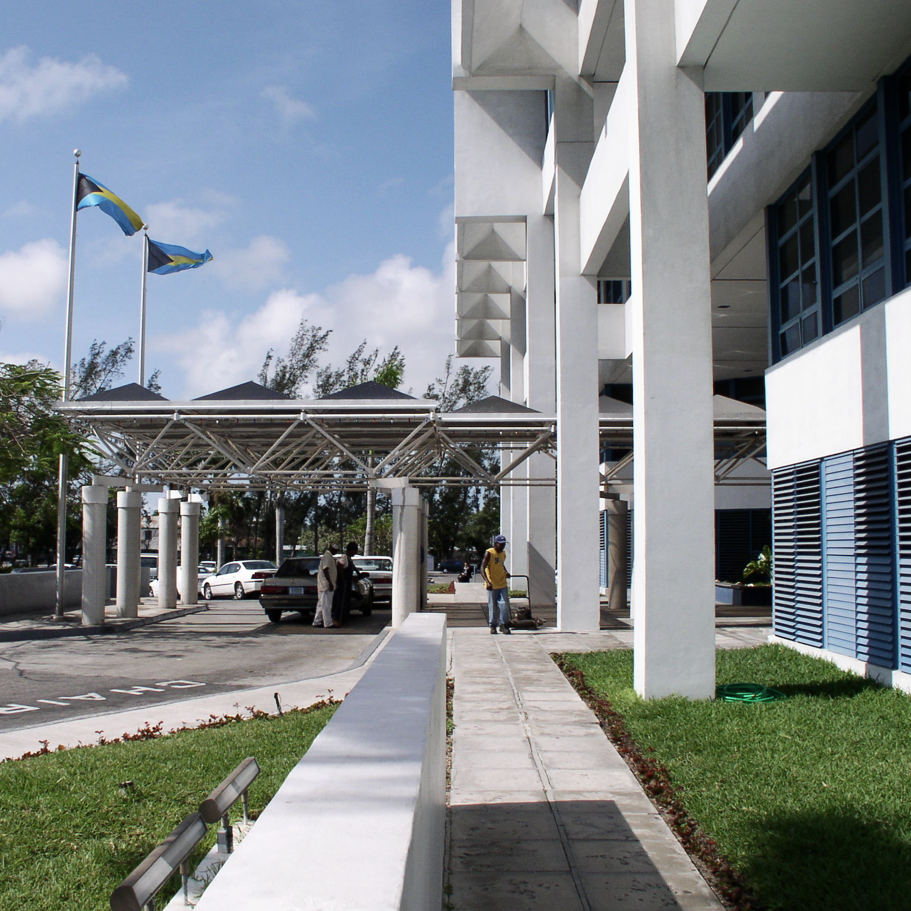
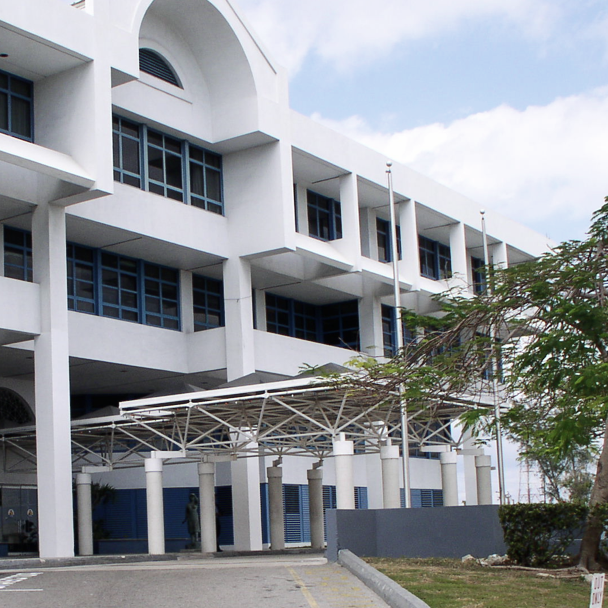
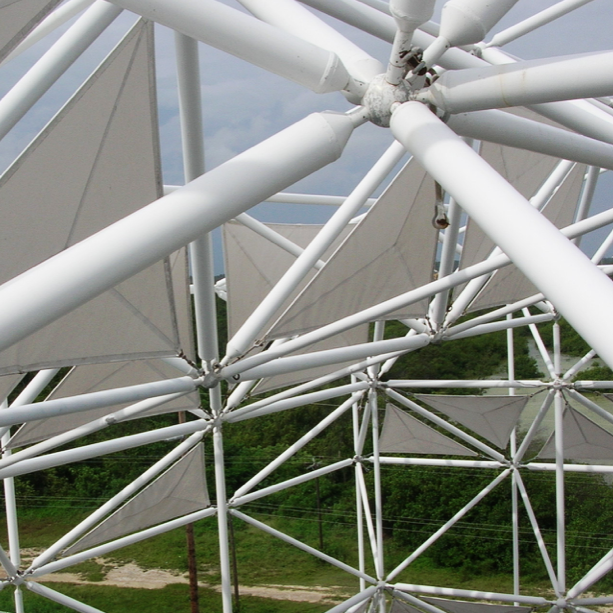
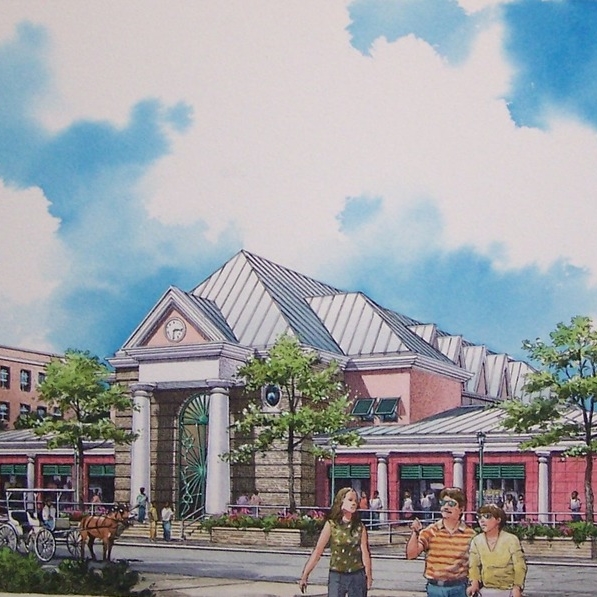
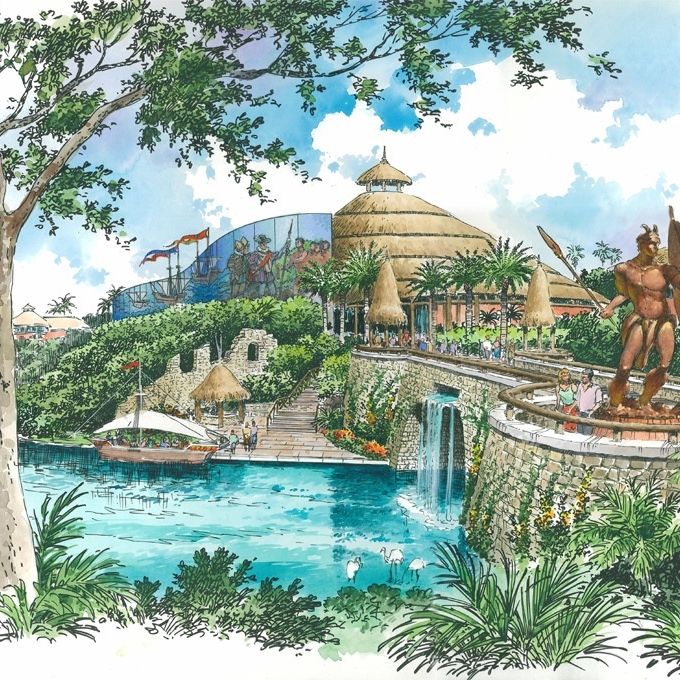
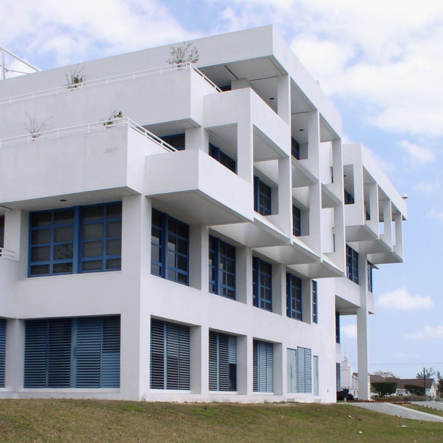
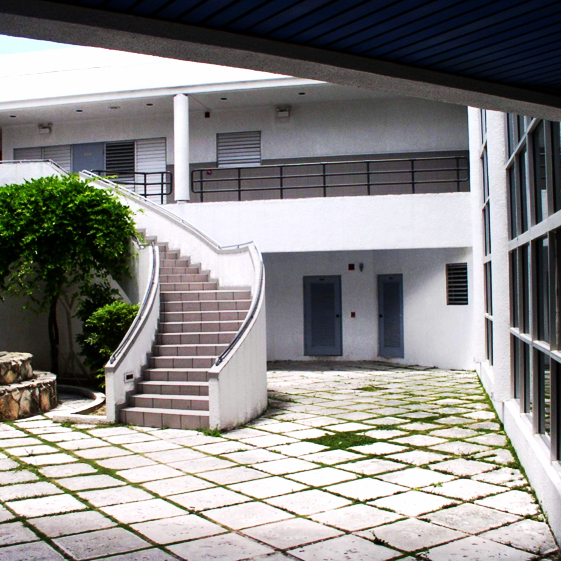
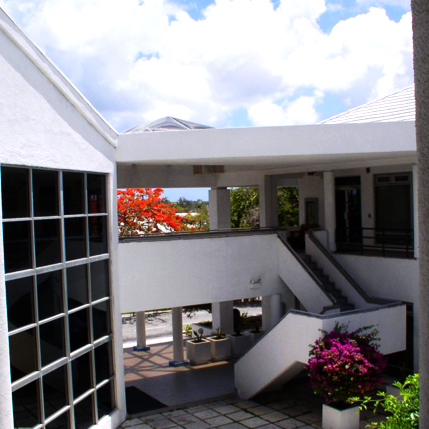
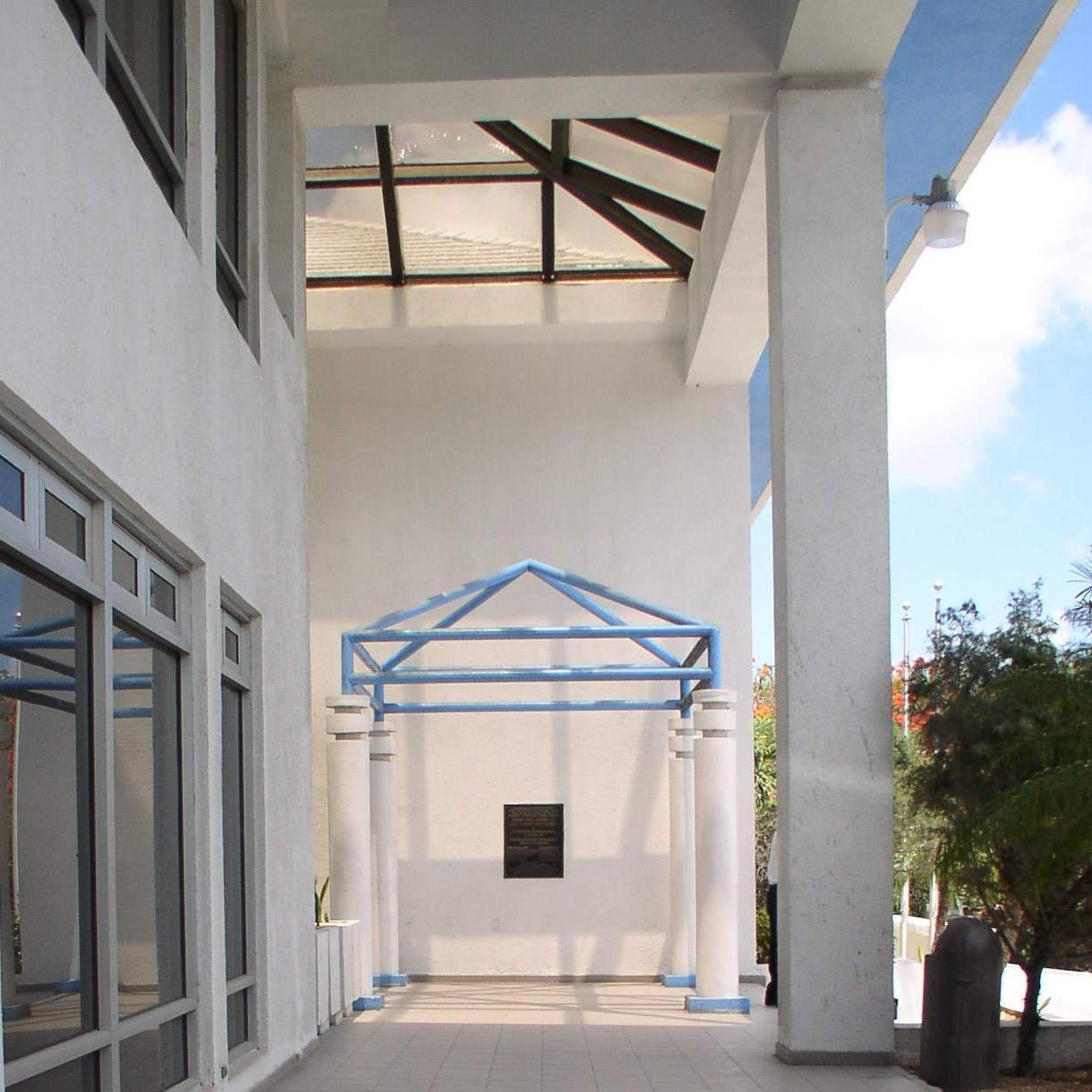
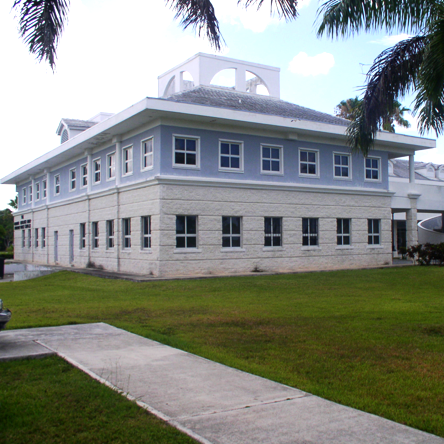
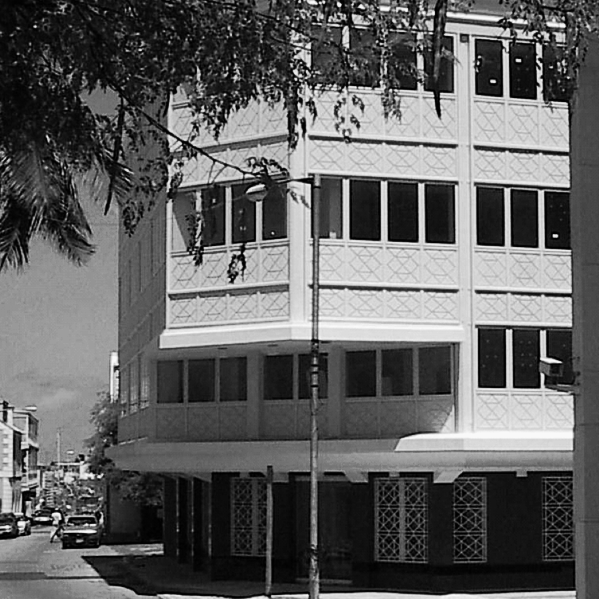
		<description><![CDATA[The design of the business environment provides the designer with the opportunity to share in the expression of a response to the climate and the celebration of cultural differences. The responses to the sun, wind and precipitation guides the crafting of the building’s skin, while responses to the culture of work guides the crafting of the building’s spatial experiences. ]]></description>
			<content:encoded><![CDATA[<p><a href="http://www.pradesigns.com/portfolio/?p=99" title="Permanent Link to Commercial">Here a SimpleViewer Flash gallery should be displayed. Click here to open the post in your browser to see the gallery.</a></p>
]]></content:encoded>
			<wfw:commentRss>http://www.pradesigns.com/portfolio/?feed=rss2&amp;p=99</wfw:commentRss>
		<slash:comments>0</slash:comments>
		</item>
		<item>
		<title>The dream of the city</title>
		<link>http://www.pradesigns.com/portfolio/?p=94</link>
		<comments>http://www.pradesigns.com/portfolio/?p=94#comments</comments>
		<pubDate>Fri, 05 Mar 2010 02:25:44 +0000</pubDate>
		<dc:creator>admin</dc:creator>
				<category><![CDATA[Articles]]></category>
		<category><![CDATA[acces]]></category>
		<category><![CDATA[buildings]]></category>
		<category><![CDATA[city]]></category>
		<category><![CDATA[design]]></category>
		<category><![CDATA[easier]]></category>
		<category><![CDATA[entertainment]]></category>
		<category><![CDATA[parking]]></category>
		<category><![CDATA[technology]]></category>
		<category><![CDATA[urban]]></category>

		<guid isPermaLink="false">http://www.pradesigns.com/portfolio/?p=94</guid>
		<description><![CDATA[Why build a City?
The intoxicating power of technology has made the City an endangered entity. The automobile, which created the suburbs almost a century ago, has drained the city of its residents. The suburban mall has made shopping within the city a rarity. The highway systems have made the locating of entertainment outside the city, [...]]]></description>
			<content:encoded><![CDATA[<p align="center"><strong>Why build a City?</strong></p>
<p>The intoxicating power of technology has made the City an endangered entity. The automobile, which created the suburbs almost a century ago, has drained the city of its residents. The suburban mall has made shopping within the city a rarity. The highway systems have made the locating of entertainment outside the city, where parking and access are easier, more popular. It is just plain easier not to build cities.</p>
<p>So why bother? Why is there such uneasiness about the loss of the city? Why not accept that a new form of urban development has emerged, which accepts the decentralization of the city’s activities?</p>
<p>The answer is in the <strong>Experience of the City</strong>.</p>
<p>First, you know when you are in the city, and when you’re not. The signs don’t have to tell you, because you know…..you feel it. Secondly, the city is a grand buffet; you can choose between a multitude of experiences, from a walk in the park to a museum, from a strip club to theatre, from contemplating art to protesting against taxes, from feeding pigeons to fine dining. This aggregation of choices is a basic feature of the city. Thirdly, the city reflects the personality of its people. The architecture, public art, forms of transportation all express the culture of the local community. And fourthly, the city is a place where the limits of imagination and genius are expressed in the largest, the finest, the best, and where the pinnacles of human achievement are celebrated in monuments and keepsakes. That is what a city is. That is what the people are asking for when they ask their leaders to make them a city.</p>
<p>But it is not what they have gotten so far.</p>
<p>From an essay written July 2004</p>
]]></content:encoded>
			<wfw:commentRss>http://www.pradesigns.com/portfolio/?feed=rss2&amp;p=94</wfw:commentRss>
		<slash:comments>1</slash:comments>
		</item>
		<item>
		<title>Selecting a contractor</title>
		<link>http://www.pradesigns.com/portfolio/?p=92</link>
		<comments>http://www.pradesigns.com/portfolio/?p=92#comments</comments>
		<pubDate>Fri, 05 Mar 2010 02:24:25 +0000</pubDate>
		<dc:creator>admin</dc:creator>
				<category><![CDATA[Articles]]></category>
		<category><![CDATA[architects]]></category>
		<category><![CDATA[building]]></category>
		<category><![CDATA[change]]></category>
		<category><![CDATA[contractor]]></category>
		<category><![CDATA[costs]]></category>
		<category><![CDATA[designed]]></category>
		<category><![CDATA[plans]]></category>
		<category><![CDATA[process]]></category>
		<category><![CDATA[recommendations]]></category>
		<category><![CDATA[slection]]></category>

		<guid isPermaLink="false">http://www.pradesigns.com/portfolio/?p=92</guid>
		<description><![CDATA[A few days ago, I overheard a statement I had heard many times before at the end of a building project.
“I will never build another building.”
This is a common reaction to the frustrations of the building process, which seems designed to frustrate. First there is the process of agreeing a design, then of getting a [...]]]></description>
			<content:encoded><![CDATA[<p>A few days ago, I overheard a statement I had heard many times before at the end of a building project.</p>
<p>“I will never build another building.”</p>
<p>This is a common reaction to the frustrations of the building process, which seems designed to frustrate. First there is the process of agreeing a design, then of getting a Building Permit, then of finding a builder. And once the work itself begins, it seems every time you turn around there is a change – that costs you money. Most new clients feel more like the victim of this process than the reason for its existence.</p>
<p>How, then, does one minimize these feelings of frustration?</p>
<p>One of the keys is the selection of the contractor. While it is natural at the beginning of the project to focus on the “plans”, it is the selection of the contractor that sets the stage for the type of process the client will remember long after the project is complete. It is the selection of the contractor that will either place the Owner in command or in the seat of frustration.</p>
<p>For most of us, family and friends are the first source of recommendations. Unfortunately the size and importance of this financial commitment is too big to allow personal factors to drive the choice. We suggest you say “thanks” to your friends (and mean it), and then make a decision in your own long-term interest. They will eventually understand, I promise.</p>
<p>To begin the selection process, there is research to do. The order in which it is carried out is personal, but we recommend starting with a discussion with your architect, who will help you define the parameters of your project to be used in the selection process, and will give you a list of the builders they think are appropriate from their files. They would have a good idea which of the firms they have dealt with is competent, the right size for your job, pays attention to the details of the work and handles the financial aspect of the contract well. This is a good way to begin compiling your own list.</p>
<p>But architects are limited in the number of builders they have the opportunity to work with over time, and you will find that they would have dealt with only a few of the dozens of contractors available. Your research should therefore be widened to other persons included in the industry, like banks, whose mortgage departments inspect the works of contractors, and deal with the financial aspect of a wider section of the market. Other design firms and developers might also contribute to your list.</p>
<p>This may seem like an awesome task, that could take forever, but once it is started, you will find that the list of firms appropriate in size, character, competence and financial capability is relatively short. A final conversation with your architect and you will soon have your own Short List from which to make the final choice.</p>
<p>Those on your Short List should get the full treatment, beginning with your request for a list of work they have completed, with the names of persons you might discuss their performance with. Any firm not comfortable with this step should be struck from the list immediately. You should visit a selection of the projects listed (unless you are already familiar with them) and interview the contact persons to get their reactions to the following concerns:</p>
<p>Was the contractor’s work satisfactory, both in quality and in style of operation?</p>
<p>Did they get what they thought they contracted for?</p>
<p>Was the relationship amore like a partnership, or was it adversarial?</p>
<p>Was there agreement on the financial resolution of the job?</p>
<p>Did the builder complete the “punch list”, and deal with items he was responsible for after occupancy?</p>
<p>Would they recommend the builder to you?</p>
<p>This part of the research does not have to wait for the completion of the design. It is work the Owner can do while working on the completion of the design, or even earlier. But it should be done. Once these issues are discussed with former clients, your “Short List” should be short indeed, and a final conversation with your architect is all you need to finalize your choice.</p>
]]></content:encoded>
			<wfw:commentRss>http://www.pradesigns.com/portfolio/?feed=rss2&amp;p=92</wfw:commentRss>
		<slash:comments>1</slash:comments>
		</item>
		<item>
		<title>Myth, history and pleasure for sale</title>
		<link>http://www.pradesigns.com/portfolio/?p=91</link>
		<comments>http://www.pradesigns.com/portfolio/?p=91#comments</comments>
		<pubDate>Fri, 05 Mar 2010 02:21:54 +0000</pubDate>
		<dc:creator>admin</dc:creator>
				<category><![CDATA[Articles]]></category>
		<category><![CDATA[bahamas]]></category>
		<category><![CDATA[casinos]]></category>
		<category><![CDATA[exercises]]></category>
		<category><![CDATA[freemont]]></category>
		<category><![CDATA[hotels]]></category>
		<category><![CDATA[purpose]]></category>
		<category><![CDATA[story]]></category>
		<category><![CDATA[technology]]></category>
		<category><![CDATA[tourism]]></category>

		<guid isPermaLink="false">http://www.pradesigns.com/portfolio/?p=91</guid>
		<description><![CDATA[Tourism Development Exercises
A Look At The Competition
Freemont Street is a street in the “old” part of Las   Vegas, part of what is known as Downtown. There are the older casinos and hotels – the Golden Nugget, the Four Queens and the Plaza Hotel – that helped build Las Vegas into the gambling capital [...]]]></description>
			<content:encoded><![CDATA[<p align="center"><strong>Tourism Development Exercises</strong></p>
<p align="center"><strong>A Look At The Competition</strong></p>
<p>Freemont Street is a street in the “old” part of Las   Vegas, part of what is known as Downtown. There are the older casinos and hotels – the Golden Nugget, the Four Queens and the Plaza Hotel – that helped build Las Vegas into the gambling capital of the world, still covered with thick, urban makeup of glittery lights, neon signs and promises of cheap food and faded stars. In any other story this would be the tale of a pathetic, second-class neighborhood, trying desperately to keep afloat by feeding on the leftovers from the modern, sophisticated strip, where billion dollar resorts flaunt their water features and superstars perform in specially-built, packed-to-the-gills theatres.</p>
<p>But the crowd on Freemont Street is the same crowd that last night was at Caesar’s Palace, watching Celine Dion. They have taken a limo, bus or cab to this Downtown venue to enjoy the Freemont Street Experience. This pedestrian zone, with its hundreds of kiosks selling specialty drinks, personalized poker chips and disposable cameras, comes alive at night with entertainment, called to order by an experience called The Light Show.</p>
<p>The pedestrian street, which is three or four blocks long, is mostly covered by a continuous vaulted “roof”, which protects daytime shoppers and casino patrons from the desert sun. But at night that “roof” becomes one of the world’s largest digital screens, a thousand feet long, used to transport the assembled crowd into a Star Wars type intergalactic battle between visiting aliens and the American fighting force (who win, of course), and setting the stage for an evening of live bands, solo musicians and an incredible daredevil act that has a performer dangling forty feet in the air without a net. The crowd is entertained as they patronize the “old” casinos, restaurants and shops. And it’s all free of charge.</p>
<p>This experience is part of the offering of Las Vegas as a destination. It offers us three lessons as a tourist destination. The first is that you don’t have to be on the main street or to be the center of attention to do well. The experience created at Freemont   Street invites the visitors that live in the Bellagio for an evening’s entertainment, one that is not available at the Bellagio. While there, of course, they are the customers of the businesses that have created the free show. That is how the attractions business works. The show creates the customers for the businesses. There is a story that when Michael Jackson was scheduled to appear at the Orange Bowl, there was an impasse in the negotiations. It was not about his performance fee. It was about the control of the concessions! After all, a concert is an Event Attraction.</p>
<p>Lesson Number One: If you want to attract people to your tourism-based business, you must have or create an attraction, and it doesn’t matter who you are or where your business is.</p>
<p>The second lesson is the ways in which the destination’s unique message is presented. Area 51 is supposedly a high-security American Government facility near Las   Vegas where the remains of aliens who crashed on earth decades ago are said to be kept. The “how” at Freemont Street is a huge digital screen and 21<sup>st</sup> century animation. The “what” is the story that reinforces the story of Area 51, a few miles away.</p>
<p>Lesson Number Two: The story is the important thing, not the technology used to transmit it. Any tool used to tell your tale is a good tool in the tourism business.</p>
<p>The third lesson was also about tools, but in a different area. To create a memorable experience, Las Vegas in general and Freemont Street in particular makes use of talent from around the world. They have acrobats from Asia and sell souvenirs made in china. They have solo artists, with unique ways to present themselves as well as regular bands on a stage. What is missing is beggars and street hustlers, sleeve-pulling vendors or any kind of pressure to purchase. This is not to say that the vendors on Freemont Street are casual. They sell as hard as anyone else once you approach them, but they are not in the walkway grabbing your arm. The experience of the place is therefore not remembered because of the buying experience, but because of the entertainment experience. During a four-day stay, at least half a dozen referrals to the Freemont Street Experience were heard inside other resorts.</p>
<p>Lesson Number Three: The purpose of the entertainment is to tell the destination’s story first, then to provide a unique and memorable experience for the visitor, one that is connected to the destination because of its uniqueness and entertainment value. The question of origin is of secondary importance.</p>
<p>On this latter point, it is interesting that while in Las Vegas, a number of the acts advertised were acts first seen in Nassau/Paradise Island, when they were part of our world-class offering. They are now doing the same for Las Vegas, our number one competitor for tourist business.</p>
<p>Recent news items have confirmed that we are not doing well. The explanations given – passport requirement, economic downturn, shallow harbor, dirty streets, commercial shipping downtown – are almost insulting. The fact is that we have paid almost no attention to what we are offering our visitors, and we have simply lost our appeal. We begrudge those businesses that understand the need to offer more, and demand that they share their success with the rest of us, while we remain both lazy and cheap. We allow the elements of our attractions to deteriorate, with the excuse that we are either legally powerless or broke.</p>
<p>Perhaps it is time the public release the politicians from the choke-hold they have by demanding that they promise them jobs. Jobs are a function of businesses, which are successful only if the destination satisfies its market. The power of the union lobby and a misunderstanding of the requirements of a tourist destination has led us to have only one piece of legislation to encourage tourism – the Hotels Encouragement Act. It must be obvious by now that the creation of attractions is far more important than the creation of hotels. The hotels will be built and will succeed to the extent that we create a destination that offers its visitors access to our p[lace, history, mythology and lifestyle through attractions. Therefore incentives to create attractions are more effective than incentives to create hotels.</p>
<p>But it appears that this will never happen under the present mindset, where “local product” is given secondary status and little or no funding. Or where the Ministry responsible for tourism activity feels its purpose is to celebrate the Government’s effort to create the infrastructure to support the tourism activity that will not happen because they have not focused on the product. The many “shots in the arm” for tourism by new airlines, hotels and cruise ships that last only a short time must by now be hurting that arm.</p>
<p>Bahamians travel more than any group we’ve come across. Perhaps more of us should ask whether we would come (or come back) to the Bahamas as a tourist. The answer might disturb most of us.</p>
<p>Patrick Rahming</p>
<p>October 24, 2007</p>
]]></content:encoded>
			<wfw:commentRss>http://www.pradesigns.com/portfolio/?feed=rss2&amp;p=91</wfw:commentRss>
		<slash:comments>0</slash:comments>
		</item>
	</channel>
</rss>